HM SAMPOERNA Tobacco Wastewater Treatment Station

As a company specializing in the field of wastewater treatment, Jiangsu Peier provides efficient and reliable solutions to companies with various wastewater treatment needs at Indonesia’s HM SAMPOERNA Tobacco Wastewater Treatment Station.

Title: HM SAMPOERNA Tobacco Wastewater Treatment Station

Application Technology: Submerged flat sheet membrane MBR technology

Applicant: Jiangsu Peier Membrane Corp., LTD

Affiliated: Jiangsu Peier Membrane Corp., LTD

Recommended Department: Belt and Road Environmental Technology Exchange and Transfer Center (Shenzhen)

Case Area: Indonesia

Project Overview:

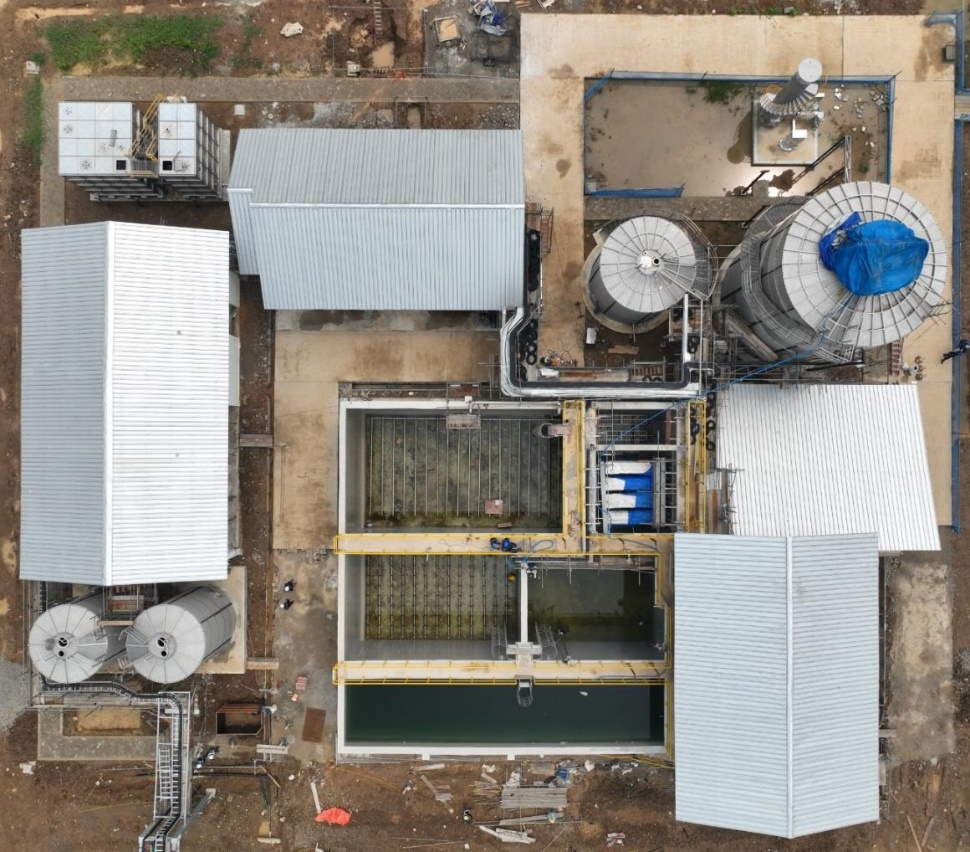
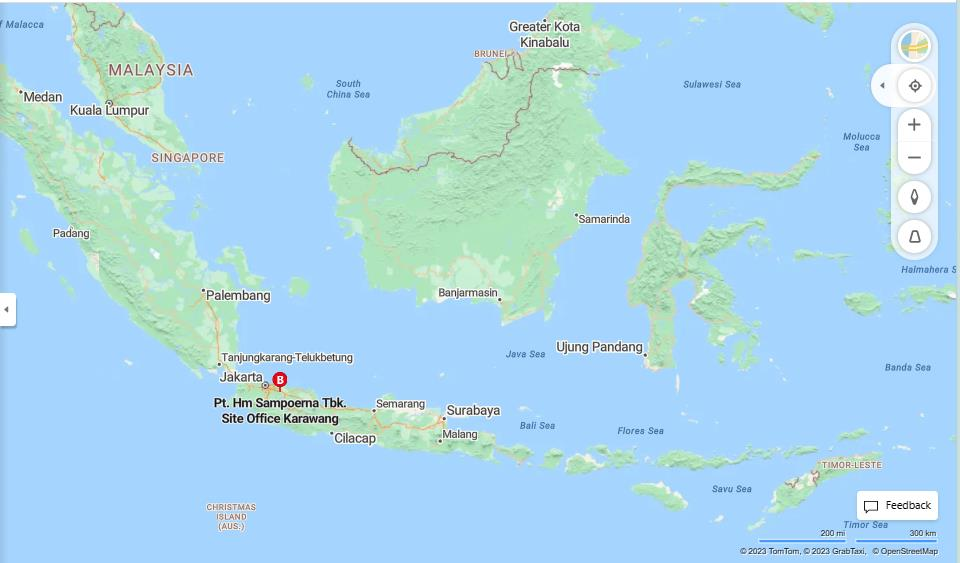
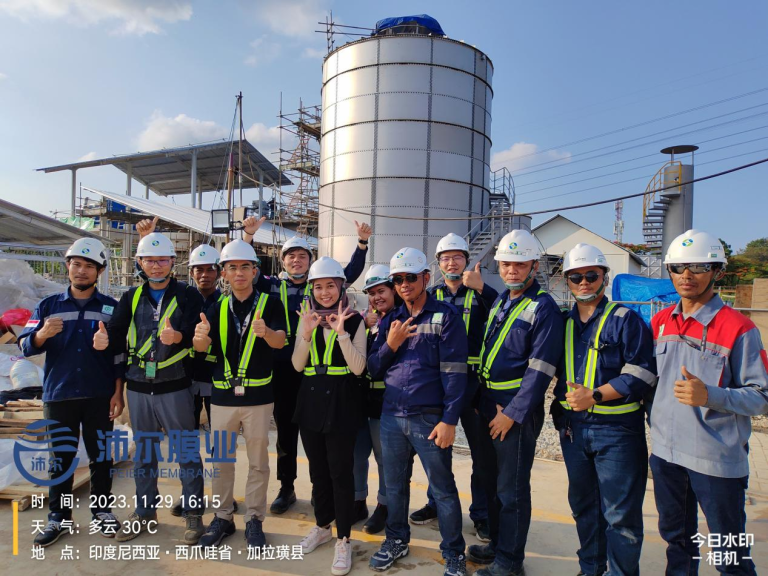
The tobacco wastewater treatment station is located in Karawang, West Java Province, Indonesia. It is the largest tobacco manufacturer in Indonesia, Sambo Lin Company, which invests in the construction of a factory for the production of electronic cigarettes IQOS in the area. This high-tech factory invests $166.1 million and provides tobacco production facilities for the HEETS brand of IQOS. For Sambo Lin Company, this new factory is the seventh in the world and the second in Asia, second only to South Korea. For the local government, it is also an important livelihood project. During the construction period of the sewage treatment station, nearly 1,000 jobs are provided for the local people. After operation, it can greatly improve the status of tobacco wastewater pollution and improve the proportion of water reuse, which has been highly appreciated and affirmed by the relevant institutions and project owners in Indonesia.

The wastewater treatment project of the factory has a design water treatment capacity of 600 m³/day.

I am text block. Click edit button to change this text. Lorem ipsum dolor sit amet, consectetur adipiscing elit. Ut elit tellus, luctus nec ullamcorper mattis, pulvinar dapibus leo.

1.png

The tobacco industry faces significant challenges in treating its wastewater due to the high volume and complex composition of the wastewater generated during tobacco cultivation, processing, and manufacturing. The presence of chemicals, including nicotine, and the need to comply with stringent regulations further complicate the treatment process. The industry must invest in advanced technologies to effectively remove contaminants and ensure compliance with environmental standards. Balancing the cost and sustainability of wastewater treatment is also a key consideration for the tobacco industry. Addressing these challenges is crucial to minimize the environmental impact of tobacco industry water waste. Here has 6 challenges.

  1. High Volume of Wastewater:

  2. Complex Composition

  3. Chemical Contamination:

  4. Nicotine Removal

  5. Compliance with Regulation

  6. Cost and Sustainability

Precisely because wastewater treatment is an important environmental protection issue, especially for the tobacco industry, wastewater treatment is an essential task. HM SAMPOERNA Tobacco Wastewater Treatment Station has advanced wastewater treatment technology and equipment and can effectively treat wastewater generated during the tobacco production process. At the same time, HM SAMPOERNA has three requirements for water treatment partners:

2.png

Firstly, HM SAMPOERNA Tobacco Wastewater Treatment Plant focuses on the efficiency of wastewater treatment.

Peier use advanced physical, chemical and biological treatment technologies to effectively remove harmful substances and pollutants from the wastewater, ensuring that it meets national discharge standards. By treating wastewater in a comprehensive manner, Peier can minimise pollution to the environment and protect the health of the surrounding ecosystem.

Secondly, HM SAMPOERNA Tobacco Wastewater Treatment Plant focuses on the reliability of wastewater treatment. 、Peier have a team of experienced professionals who are familiar with the operation of all types of wastewater treatment technologies and equipment. Whether we are dealing with large-scale wastewater treatment or responding to special treatment needs, Peier are able to provide reliable solutions. In addition, Peier regularly maintain and overhaul our wastewater treatment equipment to ensure that it operates properly and to ensure the continuity and stability of wastewater treatment.

Finally, HM SAMPOERNA Tobacco Wastewater Treatment Plant focuses on co-operation with our customers.

Peier are well aware of the uniqueness and special requirements of each company with wastewater treatment needs, so we work closely with our customers during the development of wastewater treatment solutions to fully understand their needs and expectations, and provide personalised solutions according to the actual situation. We always aim for customer satisfaction and endeavour to provide our customers with the best wastewater treatment services.

3.png

4.png

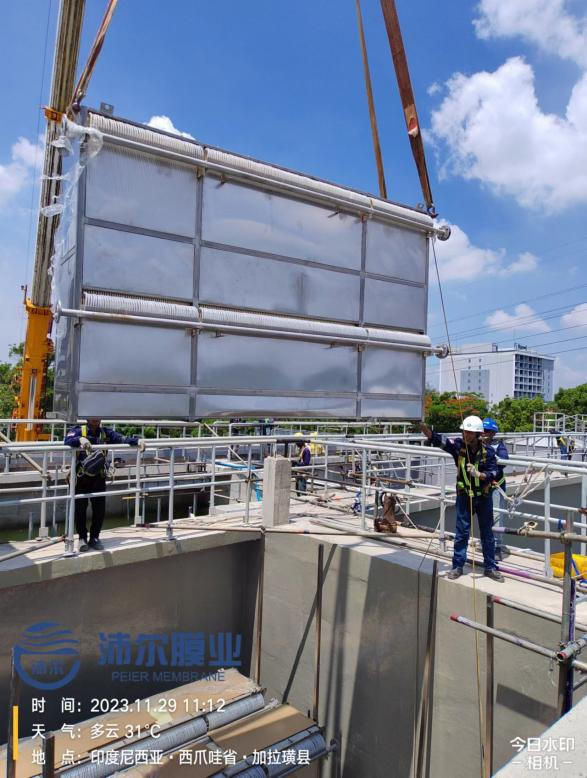
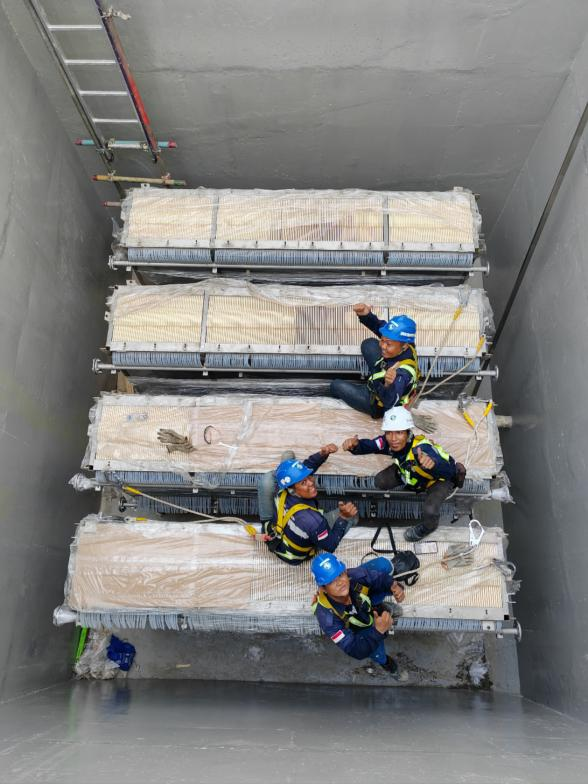
MBR membrane module being installed

The tobacco wastewater treatment station is located in Karawang, West Java Province, Indonesia. It is the largest tobacco manufacturer in Indonesia, Sambo Lin Company, which invests in the construction of a factory for the production of electronic cigarettes IQOS in the area. This high-tech factory invests $166.1 million and provides tobacco production facilities for the HEETS brand of IQOS. For Sambo Lin Company, this new factory is the seventh in the world and the second in Asia, second only to South Korea. For the local government, it is also an important livelihood project. During the construction period of the sewage treatment station, nearly 1,000 jobs are provided for the local people. After operation, it can greatly improve the status of tobacco wastewater pollution and improve the proportion of water reuse, which has been highly appreciated and affirmed by the relevant institutions and project owners in Indonesia.

The wastewater treatment project of the factory has a design water treatment capacity of 600 m³/day.

5.png

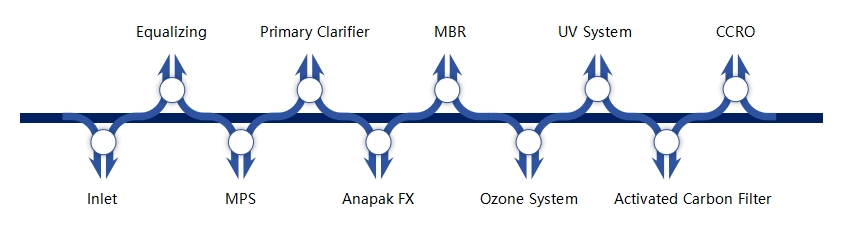
Design Process

6.jpg

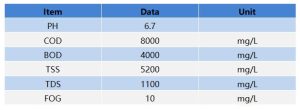
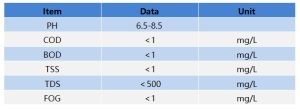
Influent Water Parameter:

7.jpg

MBR Effluent Water Parameter:

8.jpg

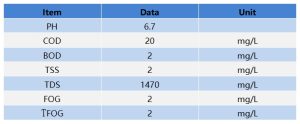
WTTP Effluent Water Parameter:

9.jpg

Recently, the project has been completed and started to commissioning, it will be operated in early 2024. The treated water can meet the standard of water reuse for factory production. The selected process equipment has been highly recognized by the owner.